


Insights & News
Thought leadership on trends driving the future of industry and business.

Anchor Group has acquired the Technology Ventures portfolio based in the US and Europe from SABIC. The transaction closed on 31 August 2026 and the portfolio will be managed as part of Anchor's Industrial Investment Partners (IIP) platform.
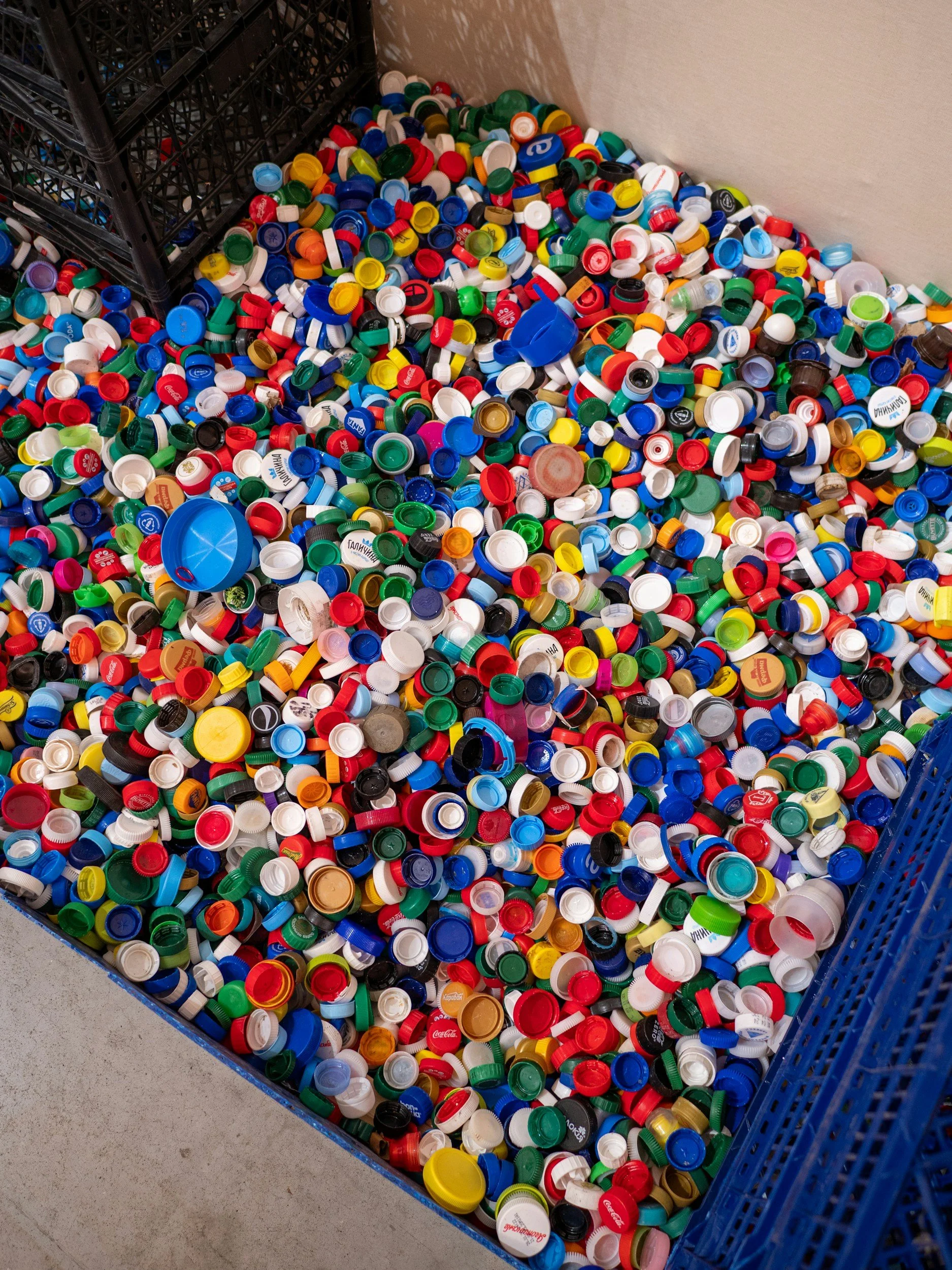
A primary research overview of the European PET bottle caps and labels feedstock stream — covering five distinct sub-streams, quality and pricing variance across 13 countries and 18 sourcing entities, and the business case for cap-to-cap and label-to-label recycling. Based on three years of plant-level data, independent lab analysis, and a transaction-level pricing database covering 23 material streams.

Anchor Group advised Metis Learning Solutions on the acquisition of France-based Megagic, strengthening its presence in European retail markets and expanding its global footprint in educational toys.
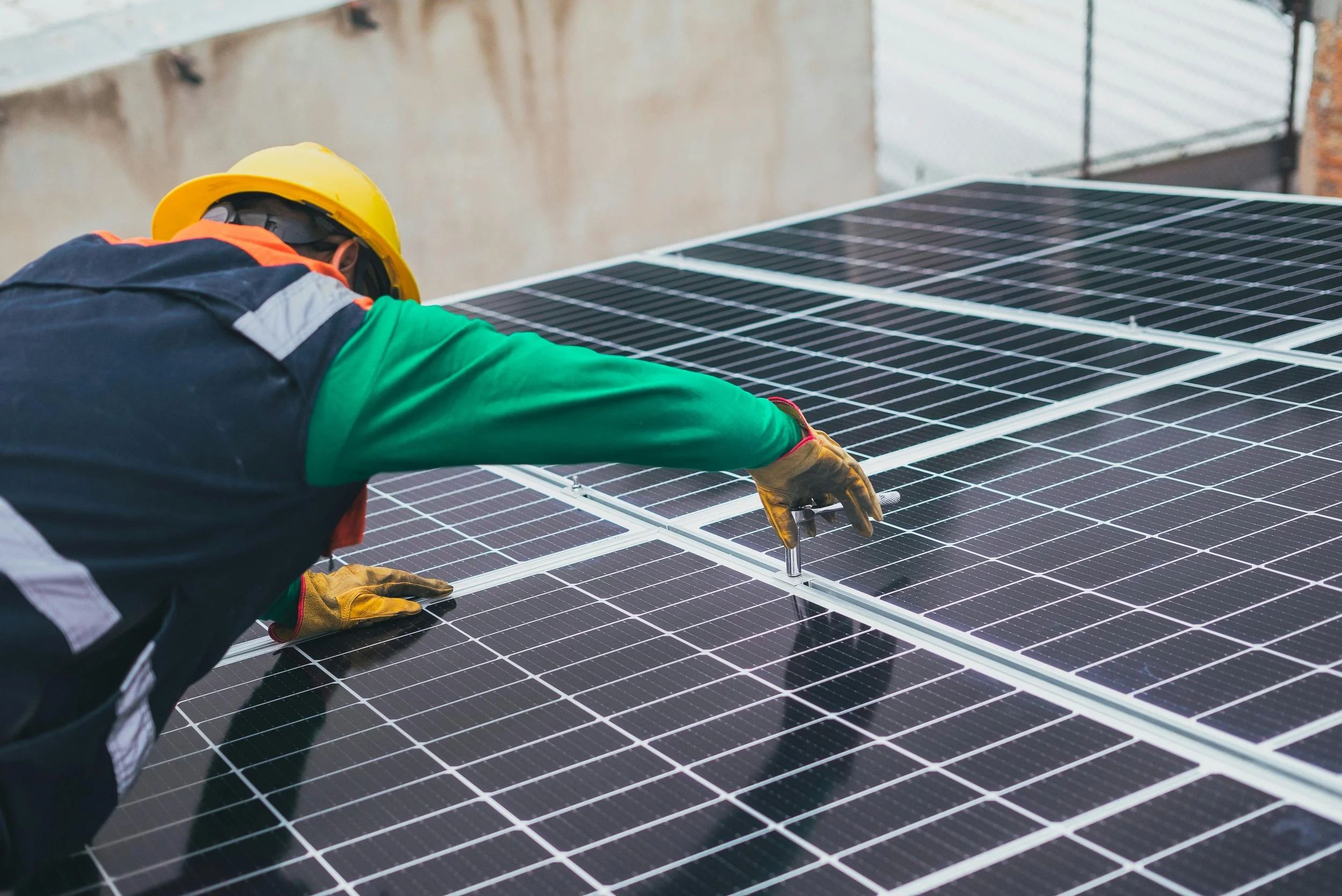
The energy transition is no longer driven by climate policy or political pledges. A new industrial model is emerging where energy is manufactured, not extracted. In China and India, economic growth is beginning to decouple from fossil fuel growth, marking the rise of the “Electrostate.”

Anchor’s Industrial Innovation Partners has completed a follow-on investment in wtec.io, supporting the company’s SaaS transition and accelerating growth in intelligent, sustainable building infrastructure.
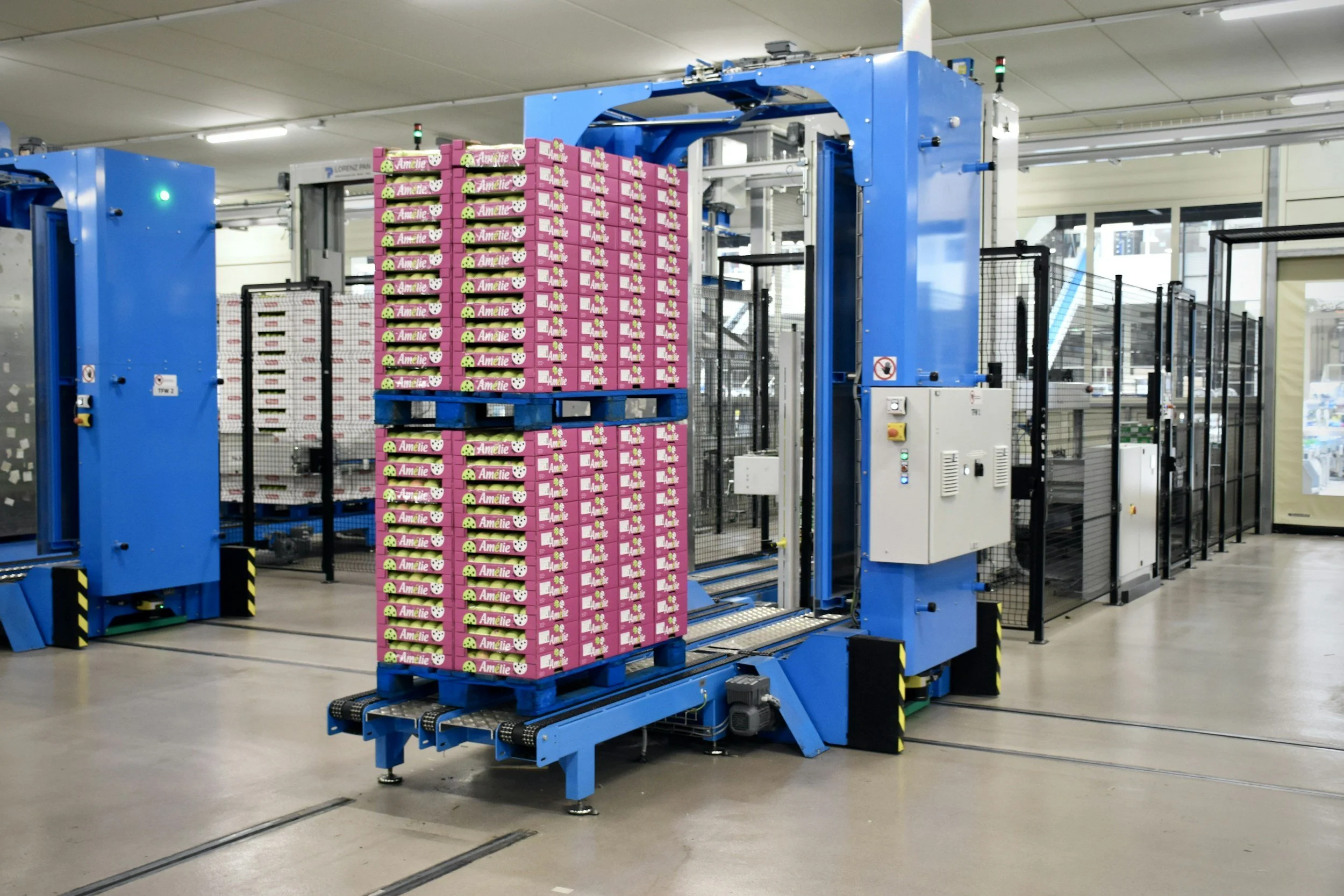
Explore practical strategies for future-proofing supply chains. Learn how take-back schemes, modular design, and technology enable circular logistics while unlocking new revenue opportunities.

Chemical recycling is scaling fast, but the feedstock to power it is not. Europe has announced 2.8 million tons of capacity by 2030, yet only 500 kilotons of sorted inputs exist today. Without new models to finance and expand waste sorting, billions in announced projects risk sitting idle. The solution lies in treating sorting as infrastructure—unlocking external capital, lowering costs, and securing long-term stability for the circular economy.

Global chemical producers and consumer brands face growing challenges in securing reliable, cost-effective plastics feedstock for chemical recycling. In this case study, we share how we supported three leading companies across Europe, the UK, and Turkey with feedstock mapping, partner screening, and business case assessments—helping them unlock access to millions of tons of PET and polyolefins for circular value chains.
The supply chain technology sector faces a major turning point. More than $80B has been invested since 2018, yet the rise of AI is rapidly commoditizing capabilities that once took years to build. Traditional growth models — from visibility to prediction to automation — are collapsing as generative AI enables faster, cheaper development. This shift leaves billions in capital at risk and challenges exit opportunities for startups and investors alike. Defensibility will no longer come from technology itself, but from proprietary data, operational context, and leadership.

While venture funding across logistics has contracted sharply since its 2021 peak, intralogistics automation—spanning robotics, warehouse software, and AI—continues to show steady adoption and long-term potential. This piece explores the mismatch between investor expectations and sector realities, and why today’s constrained funding landscape offers savvy, long-term investors a rare entry point into a growing market.

In a feature for Handelsblatt’s Supply Chain & Technology special, Wolfgang Lehmacher, Anchor’s Lead Partner for Logistics & Supply Chains, explores how resilience, transparency, and emerging technologies are transforming global supply chains. From ancient inventory systems to today’s AI-driven networks, the article highlights why diversified sourcing, digital tools, and human collaboration are vital for navigating disruption and building future-ready operations.

Europe’s plastics recycling industry has grown rapidly over the past decade—driven by sustainability mandates, shifting regulations, and a wave of investor interest. Installed capacity has more than doubled, and financial sponsors have built large platforms in anticipation of long-term demand.

Europe’s plastics recycling sector experienced its lowest M&A activity since 2020, with just seven disclosed deals in 2024. This update explores the structural and market forces behind the decline, from tightening economics and delayed regulation to regional shifts and plant closures — offering insight into where selective capital may return and how the sector might evolve ahead of 2030 targets.

Flow batteries offer scalable, long-duration energy storage by decoupling power and energy—ideal for grid and industrial use. Despite earlier cost and scale challenges, tech advances and net-zero goals are boosting adoption. With 14% CAGR projected, companies like Vflowtech and ESS Inc. are leading this renewable-enabling solution.

The World Economic Forum's new TradeTech report explores how AI is reshaping global trade by improving efficiency, sustainability, and inclusivity. From streamlining customs and HS code classification to accelerating trade finance, AI is driving faster, greener, and more equitable trade.
We're proud to share that Wolfgang Lehmacher, Operating Partner at Anchor Group, is featured in the report for his contributions to the future of AI in trade.

Revive Feedstock Solutions is dedicated to advancing the circular economy by addressing the complexities of hard-to-recycle materials, particularly plastics. Leveraging decades of industry expertise, we specialize in identifying, aggregating, and valorizing feedstock for high-value applications.
At Revive, we’re turning underutilized waste streams into valuable resources, driving sustainability, and making recycling initiatives more practical and impactful. Together, we can redefine the future of recycling.

Embarking on a journey of corporate spin-off can be daunting, especially amidst shifting economic landscapes.
From redefining strategic priorities to optimizing operational efficiency, read our latest case study to learn how Anchor's unique approach propelled the company from uncertainty to profitability in record time.
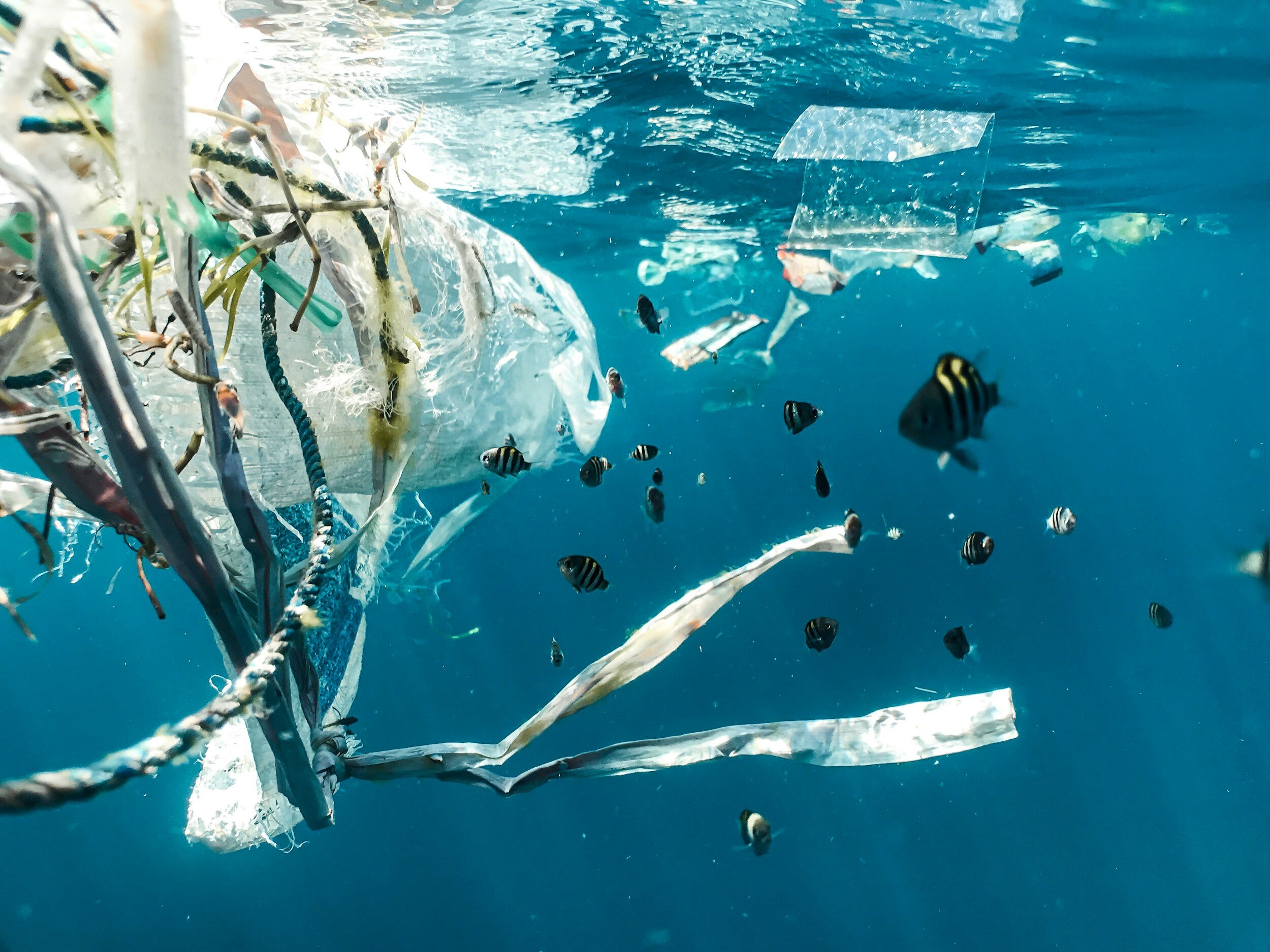
Corporates continue to face a challenge meeting their recycled content commitments – in particular in flexible packaging. The market for such recycled materials has simply not existed and so neither does the value chain.
Anchor has been collaborating with several corporates to solve this gap, by launching projects to build and connect the value-chain from waste material back to end product demand.

The most recent outcome of our in-depth understanding of both client needs and the market environment for non-correlated alternative investment opportunities, has materialized as a multi-million investment into the US healthcare real estate space.

We are happy to announce an investment in wtec, a market leader and hidden gem in smart building solutions, delivering both a market leading smart-lighting solution and digital solutions to enable more flexible and energy efficient use of space.

With global supply chains under pressure, the trucking industry is at a pivotal moment. This article explores how enhanced visibility through digitization can help address rising logistics costs, delays, and inefficiencies. As freight bottlenecks persist, investing in real-time data and digital tools may be the key to unlocking more resilient and efficient transport networks.

If the shipping industry were a country, it would rank 5th among the top GHG/carbon emitting countries. According to the IMO, the emissions of the industry is expected to double by 2050 if nothing is done to tackle the challenge of decarbonization.

Although the concept of virtual watch towers is not new, its evolution saw substantial acceleration as digital technologies like cloud, blockchain etc. have become more advanced and widely deployed.

Today, the “smart” supply chain has become a necessity. Companies that can build, operate, and leverage such supply chains will define the future of logistics.

Anchor Group is delighted to announce an investment into Finnish 3PL demand aggregator company OGOship, which recently raised c. EUR 4mn in a pre-Series A round, along with Flashpoint VC and Innovestor Ventures.
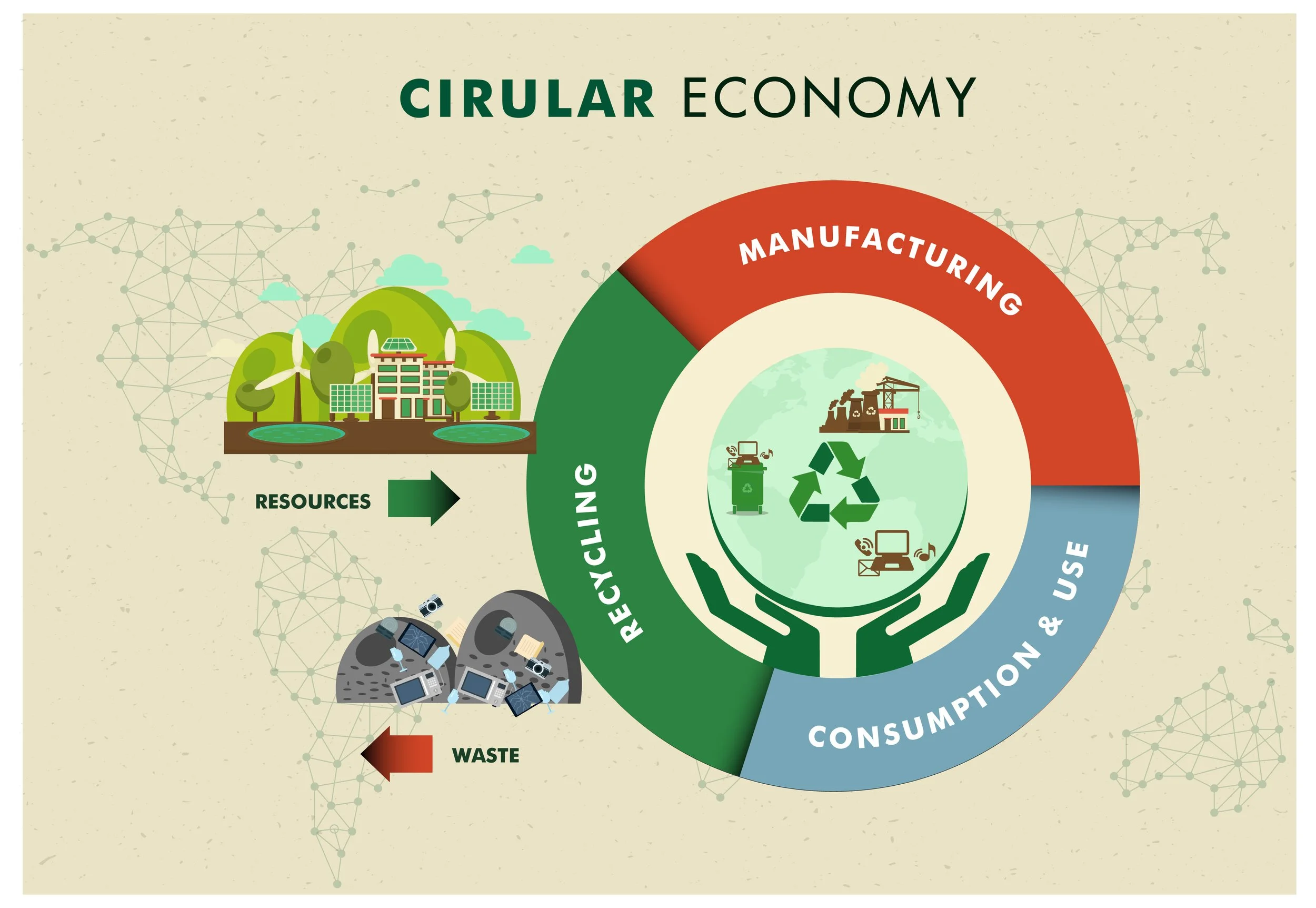
More and more companies realize the importance to switch from a linear “take, make and waste” approach to a circular “repair, reuse, recycle” framework. As only 9% of the global economy can currently be considered circular, there are many challenges and requirements ahead to drive this enormous transition.

The past years have brought with them immense challenges for carriers, logistics operators and supply chain managers.Against this backdrop, attention has focused on the urgent need for visibility.

Shortly after the announcement of its first acquisition, the real-time supply chain visibility provider Roambee onboards Swiss-based Modum, a provider of proven pharma-grade monitoring solutions, to consolidate its leadership position in the cold chain logistics monitoring.

In a world where maritime transport accounts for more than 90% of the international trade, the question is not “if” the digital transformation will happen but “when” it will happen.

The Suez Canal blockage provides an opportunity to explore ways to improve coordination and reduce congestion at shared infrastructure like canals and ports.