


Insights & News
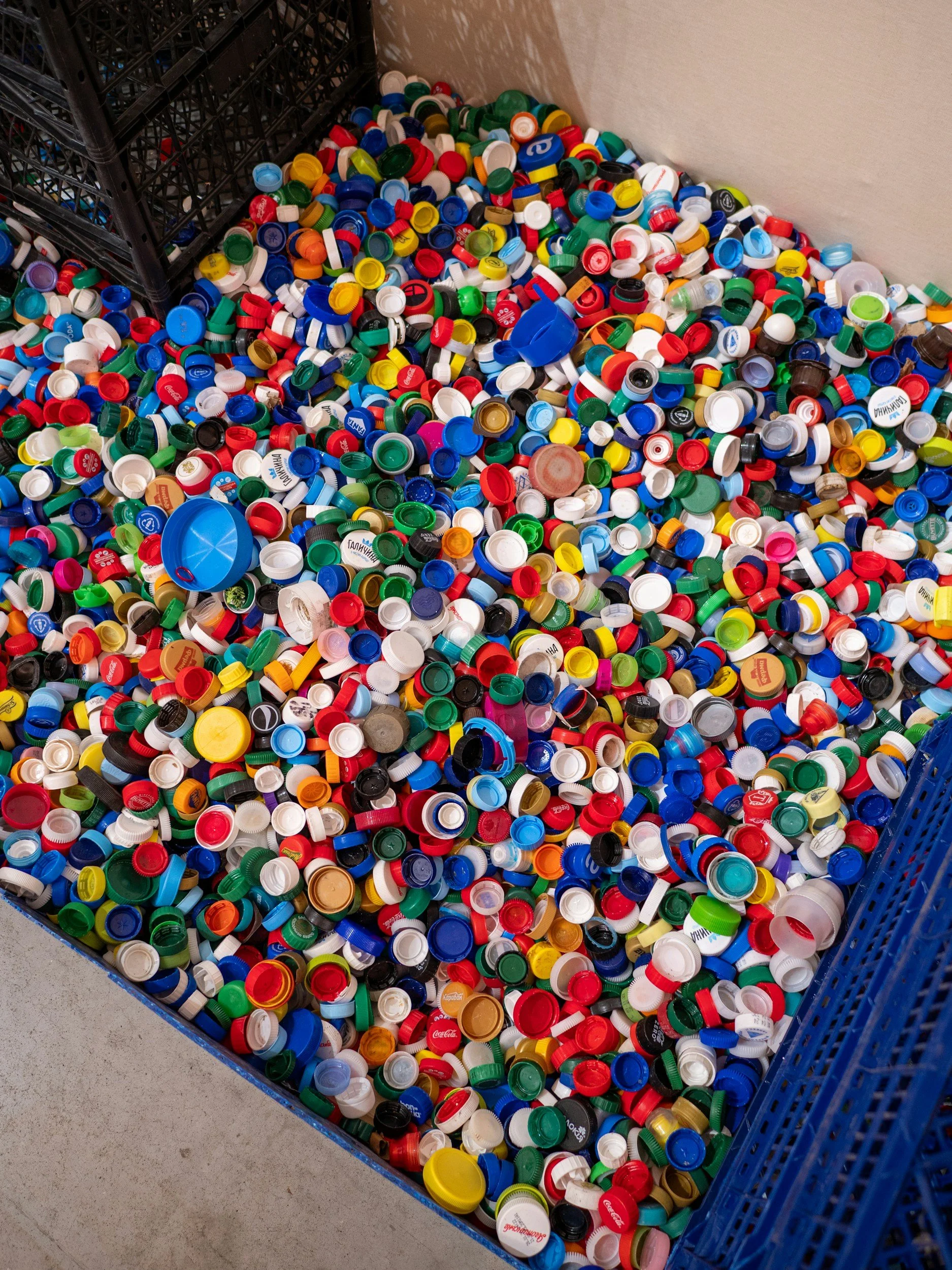
European PET Bottle Caps & Labels: What the Feedstock Data Shows
A primary research overview of the European PET bottle caps and labels feedstock stream — covering five distinct sub-streams, quality and pricing variance across 13 countries and 18 sourcing entities, and the business case for cap-to-cap and label-to-label recycling. Based on three years of plant-level data, independent lab analysis, and a transaction-level pricing database covering 23 material streams.

Reframing Waste Sorting as Infrastructure: The Circular Economy’s Missing Link
Chemical recycling is scaling fast, but the feedstock to power it is not. Europe has announced 2.8 million tons of capacity by 2030, yet only 500 kilotons of sorted inputs exist today. Without new models to finance and expand waste sorting, billions in announced projects risk sitting idle. The solution lies in treating sorting as infrastructure—unlocking external capital, lowering costs, and securing long-term stability for the circular economy.

Case Study: Securing Plastics Feedstock for Chemical recycling
Global chemical producers and consumer brands face growing challenges in securing reliable, cost-effective plastics feedstock for chemical recycling. In this case study, we share how we supported three leading companies across Europe, the UK, and Turkey with feedstock mapping, partner screening, and business case assessments—helping them unlock access to millions of tons of PET and polyolefins for circular value chains.

Europe’s Plastics Dilemma: How the Industry Is Breaking the Cycle—and Where We Go from Here.
Europe’s plastics recycling industry has grown rapidly over the past decade—driven by sustainability mandates, shifting regulations, and a wave of investor interest. Installed capacity has more than doubled, and financial sponsors have built large platforms in anticipation of long-term demand.

Europe’s Plastics Recycling Sector: M&A Activity Remained Muted in 2024
Europe’s plastics recycling sector experienced its lowest M&A activity since 2020, with just seven disclosed deals in 2024. This update explores the structural and market forces behind the decline, from tightening economics and delayed regulation to regional shifts and plant closures — offering insight into where selective capital may return and how the sector might evolve ahead of 2030 targets.